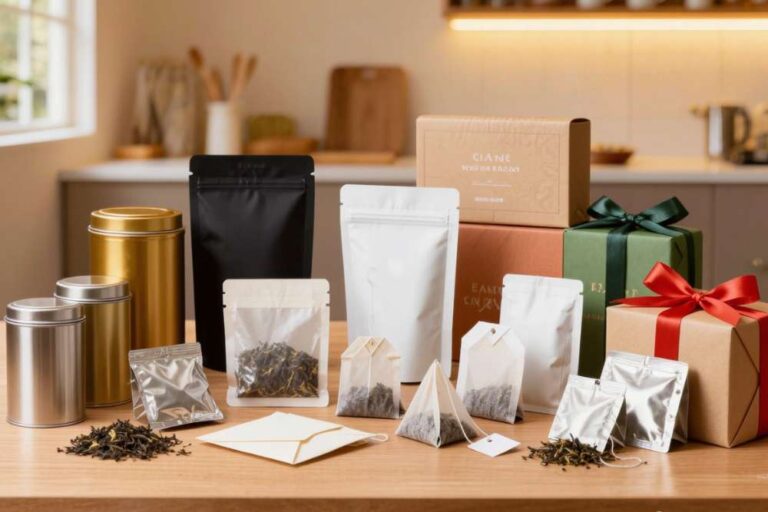
Tea packaging is often discussed purely in terms of design, with attention placed on colors, logos, and shelf appeal. While branding matters for attracting buyers, the primary function of good tea packaging is protecting the product itself. Tea is a highly sensitive product that begins losing quality the moment it is exposed to air, moisture, light, or heat. Packaging that fails to account for these factors can undermine even the best-sourced tea before it ever reaches a consumer’s cup, making tea freshness as much an engineering concern as a design one.
Moisture is one of the most damaging elements tea can be exposed to. Tea leaves are hygroscopic, meaning they naturally absorb moisture from the surrounding environment, which accelerates staleness and can lead to mold growth in extreme cases. Effective tea packaging incorporates moisture barrier layers, often using foil laminates or specialized films, to keep humidity out during storage, shipping, and retail display. Without this barrier, even high-quality tea can degrade significantly within weeks of packaging.
Oxygen exposure presents a similar threat to product integrity. Tea leaves oxidize when exposed to air, which alters flavor compounds and gradually flattens the taste profile that made the tea desirable in the first place. Packaging solutions such as vacuum sealing, nitrogen flushing, or resealable pouches with one-way valves help limit oxygen contact, particularly important for teas that are shipped internationally and may sit in storage or transit for extended periods before reaching store shelves.
Light exposure is another factor frequently overlooked in packaging decisions. Ultraviolet and visible light can break down the compounds responsible for tea’s color, aroma, and antioxidant properties, which is why many suppliers avoid clear packaging for anything beyond short-term retail display. Opaque pouches, tins, and foil-lined boxes are commonly used specifically to block light and extend usable shelf life, especially for delicate teas like green or white varieties that are more sensitive to degradation than fully oxidized black teas.
The choice of packaging material ultimately determines how well a tea’s shelf life holds up between production and final consumption. Premium teas, which are typically more expensive to source and process, deserve packaging that matches this investment rather than generic packaging that undermines the product’s quality before it reaches the consumer. This is particularly relevant for private label tea packaging, where the buyer’s brand reputation depends on consistent product performance across every batch. Investing in appropriate barrier materials is not simply a cost line item, but a direct safeguard for the quality and consistency that customers expect from the product.