Production
Single-Origin vs. Blends
Walk into any tea aisle and you’ll find countless products carrying the word “tea” on the label. Yet experienced tea drinkers often notice that not


Walk into any tea aisle and you’ll find countless products carrying the word “tea” on the label. Yet experienced tea drinkers often notice that not
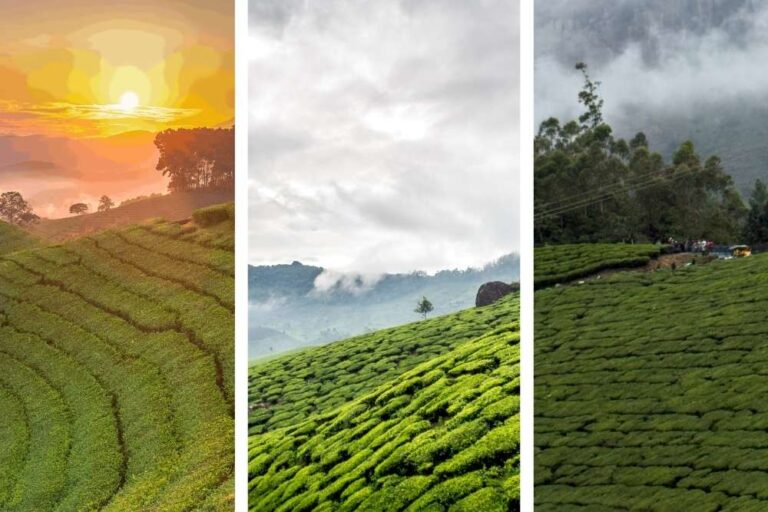
Ceylon tea is harvested year-round, which distinguishes it from some other major tea origins like Darjeeling, where production is more clearly seasonal. However, year-round harvesting
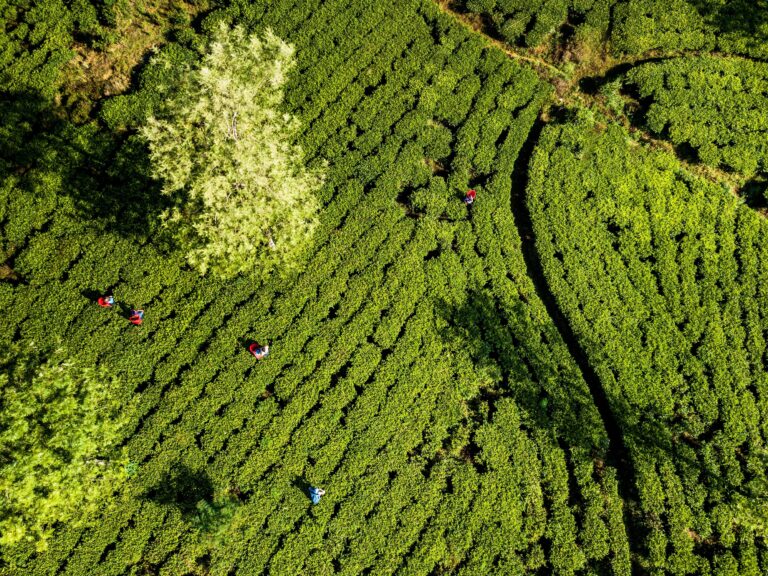
The term “single origin” has no standardized legal definition in the tea industry. Unlike the Lion Logo, which is a regulated certification issued by the
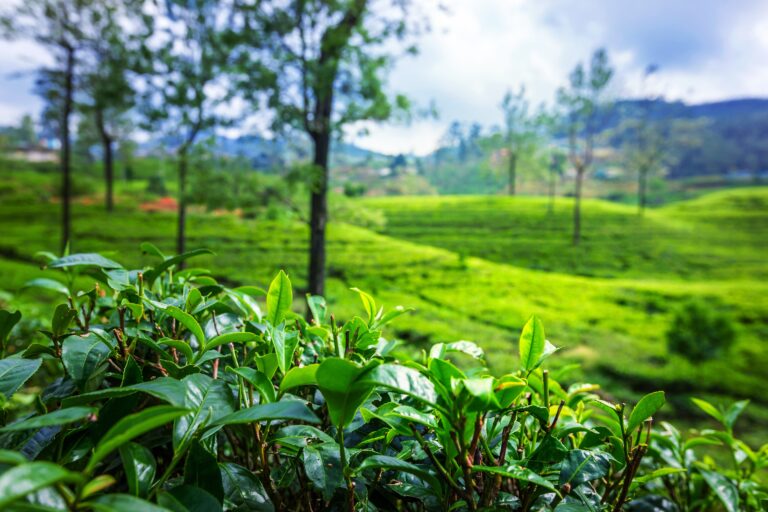
Ceylon tea is classified into three broad elevation categories, low-grown, mid-grown, and high-grown, and each produces tea with measurably different flavor, color, body, and aroma
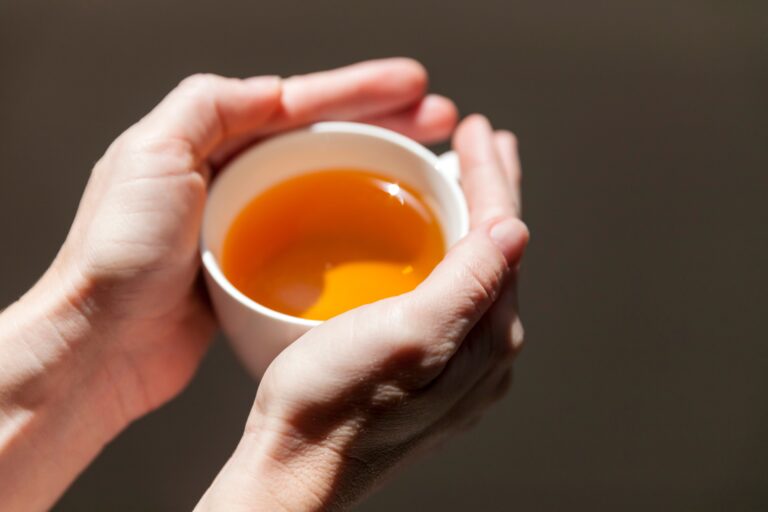
Consistency is one of the most underestimated factors in tea sourcing, yet it is often the defining element between a short lived product and a
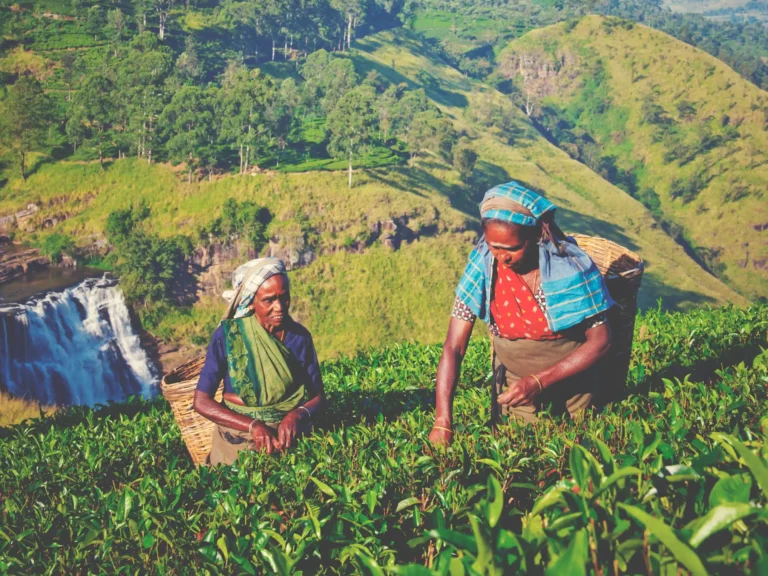
The quality of Ceylon tea begins long before the leaves reach the factory. Key factors such as cultivation practices, environmental conditions, and primary processing steps
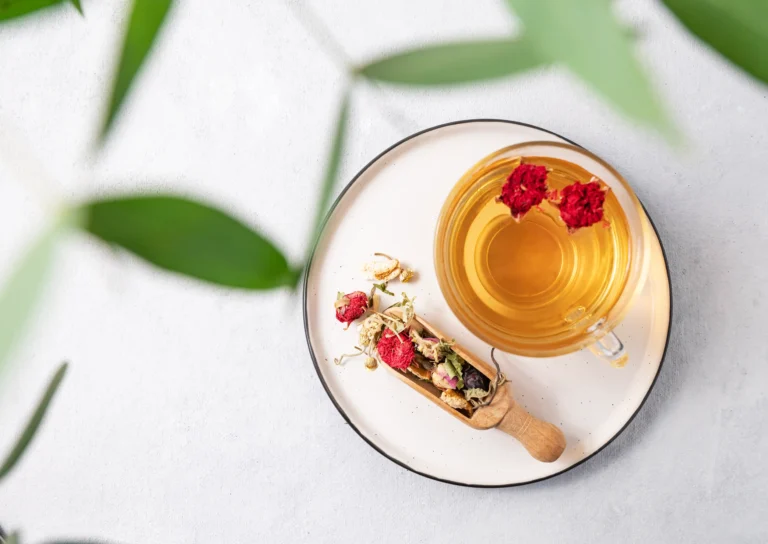
A true wellness tea is defined first by the quality and integrity of its raw ingredients. Tea leaves and botanicals used for wellness purposes must
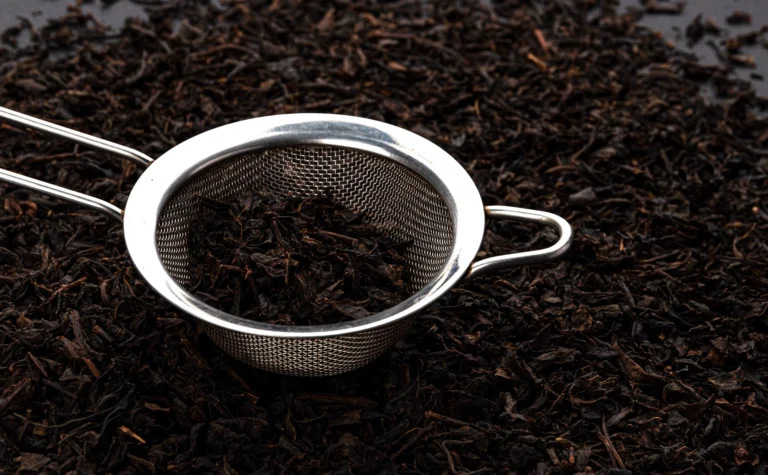
Tea is a natural, agricultural product that continues to change after processing. Although properly manufactured tea can remain safe for consumption over long periods, its
Water temperature plays a direct role in how Ceylon tea extracts its flavour, strength, and aroma. Each category of Ceylon tea from black, green, white,
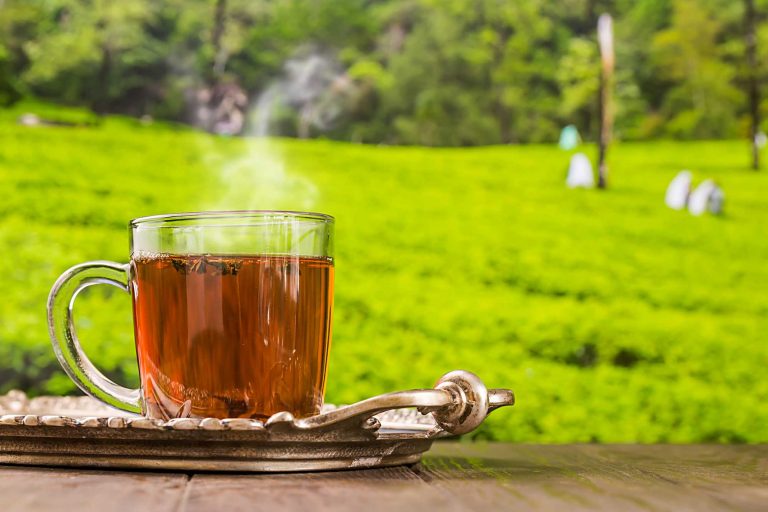
Ceylon Tea refers specifically to tea grown and processed in Sri Lanka, and the name is protected under strict guidelines. Only tea produced within the

To demonstrate the tea industry’s economic impact in

Behind every exceptional cup of tea lies a

Nestled between two lofty plateaus in Ceylon, Dimbula

Tea estates in Sri Lanka heavily reliant on

Ceylon tea, the world-renowned brew hailing from Sri