
Production
The Tea Plant
Camellia sinensis, the evergreen shrub or small tree belonging to the Theaceae family, is the fundamental source of the world’s favorite beverage – tea. Native


Camellia sinensis, the evergreen shrub or small tree belonging to the Theaceae family, is the fundamental source of the world’s favorite beverage – tea. Native

A tea connoisseur is someone who has a deep knowledge and appreciation for tea. They are knowledgeable about different types of tea, the regions they

Global warming poses a significant challenge to our planet, impacting weather patterns and ecosystems. However, Ceylon tea, originating from the lush landscapes of Sri Lanka,
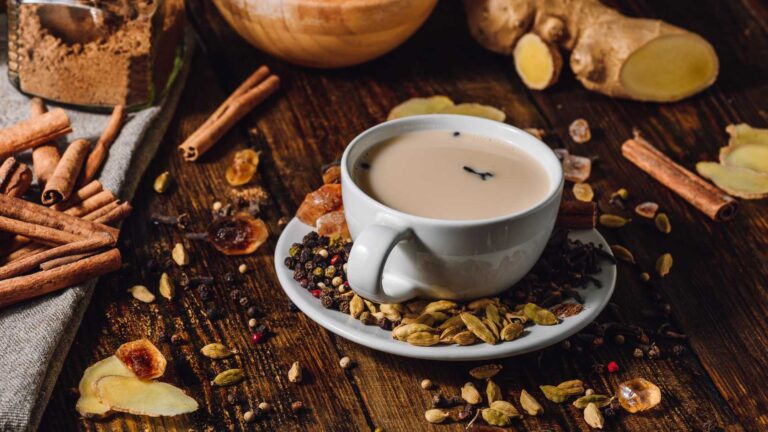
Masala tea, also known as chai, has a rich cultural history rooted in the Indian subcontinent. Its origins can be traced back to the early

Butterfly Pea Tea, also known as Asian Pigeonwings plant native to Southeast Asia, has a captivating history deeply intertwined with regional traditions. Widely used in
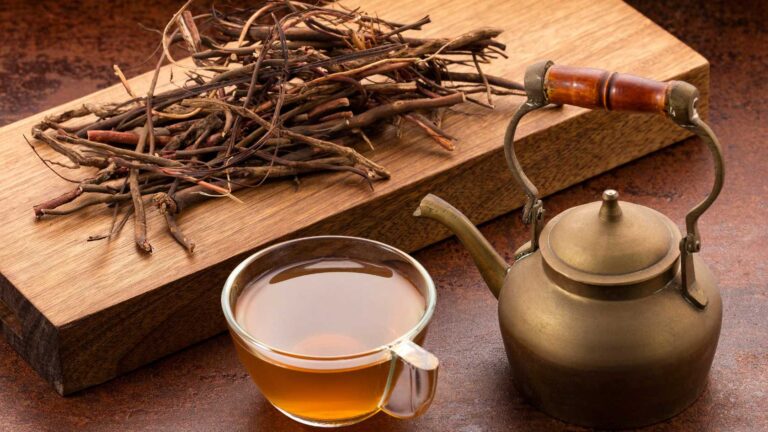
Sarsaparilla tea traces its origins to the tropical regions of Central and South America. Historically, indigenous peoples in these areas utilized the roots of the
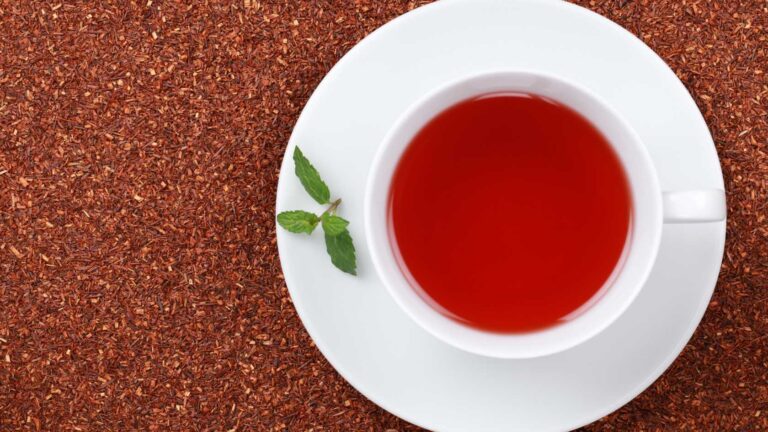
Rooibos tea, also known as red bush tea, hails from South Africa, particularly the Cederberg region. Indigenous Khoisan people have a long history of using

Moringa tea originates from the leaves of the Moringa oleifera tree, a plant native to parts of Africa and Asia. With a rich history deeply

Lemongrass tea has its roots in Southeast Asia, where lemongrass (Cymbopogon citratus) has been used for culinary and medicinal purposes for centuries. It is a

Hibiscus tea, made from the vibrant petals of the Hibiscus sabdariffa plant, has a storied history that spans various cultures. Originating in Ancient Egypt, it

In a recent initiative to strengthen the presence

Winter. The season of cozy nights, crackling fireplaces,

Bubble tea is widely believed to have originated

Fair pricing in Ceylon tea’s business-to-business (B2B) market
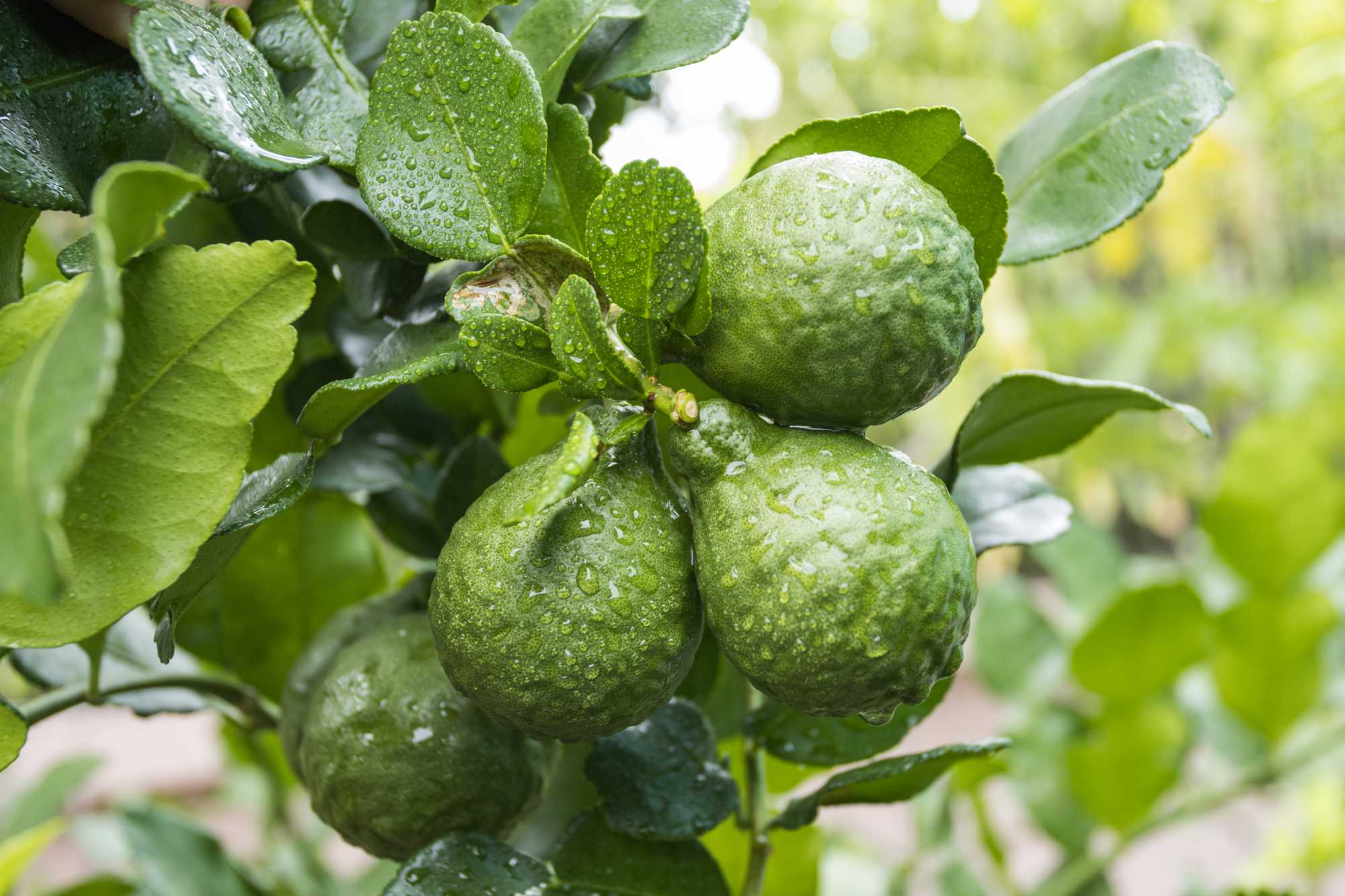
The tale of bergamot in tea is most