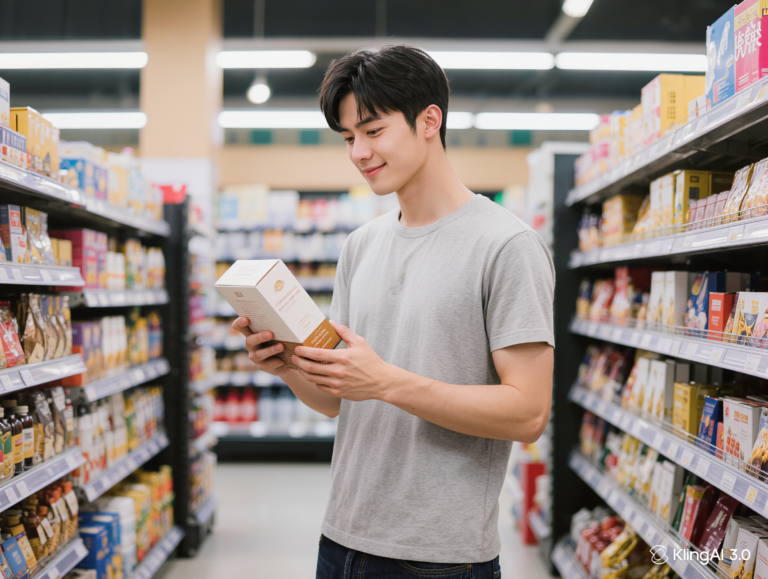
Most Ceylon tea labels carry a mix of regulated information and unregulated marketing language, and buyers rarely know which is which. Words like “premium,” “pure,” “finest,” and “hand-picked” appear on packaging across all price points and carry no legal definition in the context of tea, any producer can use them without meeting a specific standard. By contrast, certain other elements on a label are either regulated by the Sri Lanka Tea Board, governed by the importing country’s food labeling laws, or tied to third-party certification bodies with independently audited standards. Learning to separate these two categories, language that means something verifiable versus language that means whatever the brand wants it to mean, is the most practical skill a Ceylon tea buyer can develop, and it applies whether purchasing a supermarket pack or a specialty loose-leaf product.
Certification marks on a Ceylon tea label are among the most information-dense elements a buyer can look for, and there are several beyond the commonly known Lion Logo. Organic certification, indicated by marks from bodies such as the USDA (for the US market), the EU Organic logo, or IMO (Institute for Marketecology), means the tea was grown without synthetic pesticides or fertilizers and that the certifying body has independently audited the estate or supplier. Rainforest Alliance certification, indicated by the green frog seal, covers environmental and social standards on the farm including biodiversity, worker welfare, and water management. Fairtrade certification addresses pricing and labor conditions at the producer level. Each of these marks is issued by a separate organization with its own auditing requirements, and none of them are interchangeable, a Rainforest Alliance-certified tea is not automatically organic, and a Fairtrade tea is not automatically pesticide-free. When a label carries multiple certification marks, it means the producer has met the requirements of each independently, which represents a meaningful commitment in terms of cost and compliance.
Date information is worth looking at more carefully than most people do. A best before date only tells you when quality is expected to drop, not when the tea was actually made or how long it sat in a warehouse. A pack date or manufacture date is more useful. A harvest date is the most useful of all, as it tells you exactly when the tea was picked and allows you to check whether it came from the best season for that region. Not every producer includes a harvest date, but those who do are usually being transparent about origin and freshness for a reason.
The ingredient list on a flavored or blended Ceylon tea label follows standard food labeling rules and is listed in descending order by weight, meaning the first ingredient is present in the highest proportion. For a tea marketed as, say, a “Ceylon Tea with Bergamot,” the ingredient list will indicate whether Ceylon tea is the primary component or whether it is blended with teas from other origins to reduce cost, with Ceylon listed further down the list. Similarly, for herbal blends that carry Ceylon tea branding, the ingredient list will show how much actual tea is present versus herbs, flowers, or other additions. This matters because a product marketed primarily around its Ceylon tea identity may contain a relatively small proportion of it. Country of origin declarations, required by most importing markets, will also appear on the label and should state Sri Lanka if the tea was grown there, though this does not confirm the tea was packed in Sri Lanka, which is a separate and important distinction particularly relevant to the authenticity of origin claims.
The producer or packer details, usually a small block of text near the barcode, are more useful than they look. They can tell you whether the brand makes its own tea or buys it from a third party packer. A named estate or factory number on the pack means the tea can be traced back to a specific place of production. In a category where claims like “award-winning” or “estate-grown” are hard to verify in the shop, checking the producer name against Sri Lanka Tea Board or Export Development Board records is one of the few ways to independently confirm whether what the label says is actually true.