
Technology
Automation in Modern Tea Manufacturing
Automation has become an essential component of contemporary tea manufacturing, moving from an optional upgrade to a central part of operational strategy. As global markets


Automation has become an essential component of contemporary tea manufacturing, moving from an optional upgrade to a central part of operational strategy. As global markets

As consumer demand for tea has grown worldwide, so too has the need for more efficient, large-scale production methods. One approach that has gained prominence

In an age of automation and mass production, the tea industry has largely maintained one of its most time-honored and labor-intensive processes – the orthodox

Fermentation in tea manufacturing is a vital process driven by microbial activity. During this phase, tea leaves undergo breakdown and decomposition. The essential role of

Oxidation in tea manufacturing is a crucial chemical process that occurs after withering, playing a pivotal role in determining the final characteristics of the tea.

Withering stands as a crucial step in the tea processing journey, playing a pivotal role in shaping the characteristics and quality of the final tea

Rolling plays a pivotal role in black tea production, forming both a physical and chemical transformation. This process aims to achieve two primary objectives: thorough

Orthodox and CTC are two distinctive approaches to tea processing, each offering a unique set of characteristics to the final cup. Orthodox tea production follows

Drying and firing are integral steps in the final stages of tea manufacturing, crucial for preserving the quality and flavour characteristics of the processed tea
Tea is a natural, agricultural product that continues

Nestled between two lofty plateaus in Ceylon, Dimbula

Black tea is a staple in many cultures.

In a world of constant notifications and endless
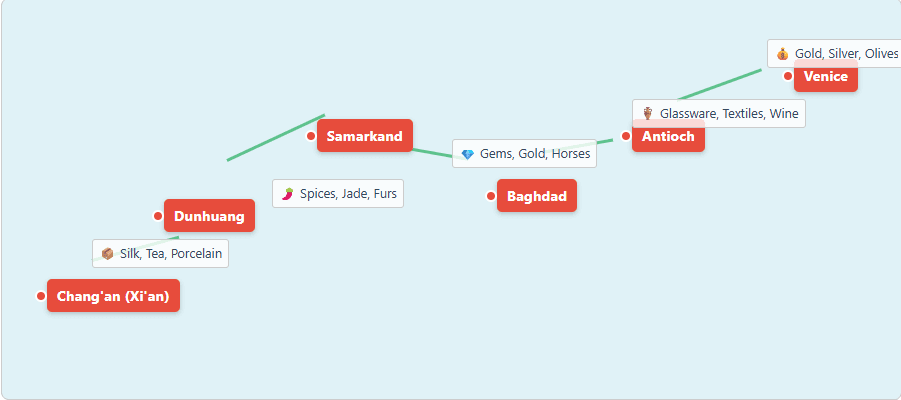
Tea, originating in ancient China, began its extraordinary