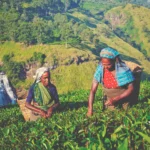
Ceylon Tea refers specifically to tea grown and processed in Sri Lanka, and the name is protected under strict guidelines. Only tea produced within the country’s defined geographical boundaries can be labelled as Ceylon Tea. This protection ensures that the name carries a consistent meaning and maintains its link to origin, rather than being used as a generic term for any black tea.
The authenticity of Ceylon Tea is governed by the Sri Lanka Tea Board through a system of regulation, certification, and quality checks. Producers must meet established standards relating to cultivation practices, manufacturing processes, and final product quality before they can use the Lion Logo — the official mark verifying genuine Ceylon Tea. This seal is recognised globally and acts as a guarantee that the tea is traceable and originates from Sri Lanka.
Ceylon Tea’s identity is also tied to its diverse agro-climatic regions, each known for its distinct characteristics. Areas such as Nuwara Eliya, Uva, Kandy, Ruhuna, Sabaragamuwa, and Dimbula contribute unique flavour profiles due to differences in elevation, rainfall, and soil composition. These variations make Ceylon Tea a category defined not only by origin but also by specific environmental conditions that influence quality and taste.
The industry places strong emphasis on consistent production standards. Factories follow regulated processes covering plucking, withering, rolling, fermentation, drying, and grading. These steps ensure that teas labelled as Ceylon maintain reliable quality benchmarks, allowing buyers and consumers to trust what they are purchasing. The adherence to these uniform standards is key in preserving the reputation and value of the Ceylon Tea name.
Internationally, the protected status of Ceylon Tea helps prevent misuse, mislabelling, and dilution of its identity. It ensures that when consumers choose Ceylon Tea, they are purchasing a product that meets defined criteria linked directly to Sri Lanka’s tea heritage. This protection strengthens the market position of the tea and supports fair competition based on origin, quality, and traceability.