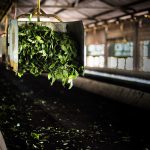
Ceylon tea, cultivated in the mountainous regions of Sri Lanka, is celebrated for its distinctive flavour, aroma, and character. Its unique profile is shaped by a combination of factors such as plant variety, climate, soil, and processing methods.
Tea Plant Varieties
Ceylon tea is primarily made from Camellia sinensis, with two main varieties: var. sinensis (Chinese variety) and var. assamica (Assam variety). Most Ceylon tea comes from var. sinensis, known for its delicate flavours. Different cultivars, such as those grown in Nuwara Eliya, Dimbulla, or Galle, bring unique characteristics to the tea, influenced by the age and genetics of the plant.
Climate and Elevation
The elevation of Sri Lanka’s tea-growing regions plays a significant role in flavour. High-elevation areas like Nuwara Eliya produce light, floral teas, while lower-elevation regions like Uva and Kandy offer bold, robust flavours. Additionally, the island’s distinct wet and dry seasons affect the taste, with the rainy season enhancing sweetness and aroma, and the dry season concentrating flavours.
Soil Composition
Sri Lanka’s volcanic soil, rich in minerals, provides a nutrient-dense environment for tea plants. The specific soil type in each region influences the flavour: Nuwara Eliya’s sandy loam produces bright, clean teas, while Kandy’s heavier clay results in a more full-bodied flavour.
Harvesting and Processing
Two main methods, orthodox and CTC, determine the final flavour of Ceylon tea. Orthodox processing, involving withering, rolling, and oxidation, creates aromatic teas with complexity. CTC, used mostly for black teas, results in a stronger, bolder flavour.
Flavour Compounds
The flavour profile of Ceylon tea is defined by its chemical composition. Catechins give the tea a brisk, astringent quality, while theanine adds a smooth, umami sweetness. Essential oils released during processing contribute to its floral and fruity aromas.
The complex flavour of Ceylon tea is the result of a harmonious interaction between plant variety, environment, and careful processing. Each cup reflects the unique characteristics of its origin, making Ceylon tea a cherished beverage worldwide.