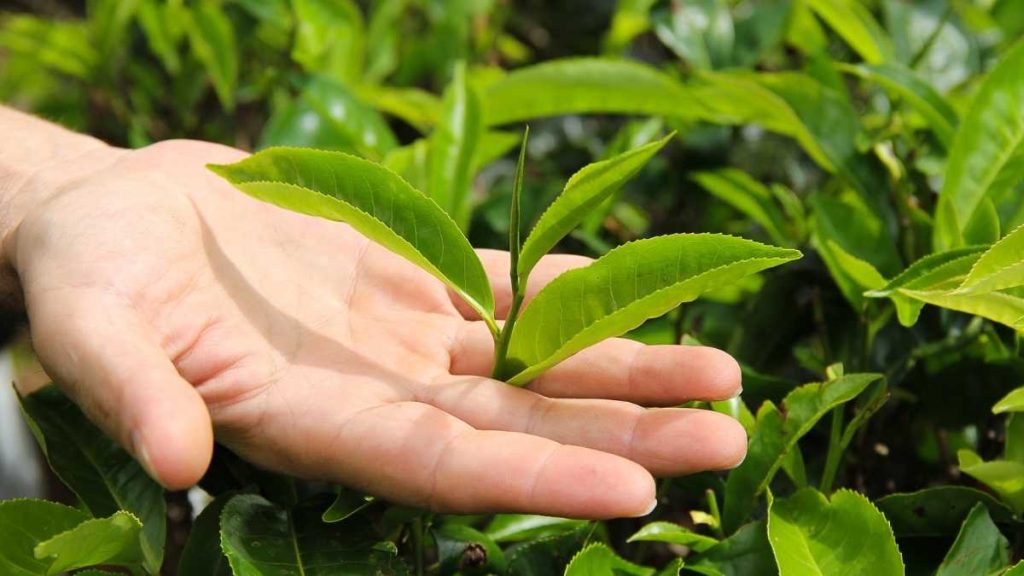
To make the best Ceylon tea, skilled pickers carefully select the first two young leaves and a new bud as the tea bushes grow. The speed of new shoots depends on factors like altitude, temperature, and sunlight. Every morning, tea pickers, start harvesting at dawn, guided by wooden sticks to ensure consistency. The picked leaves are carried in baskets to a weighing point, checked for quality, and loaded onto trucks for the factory. The target is 20 kg per picker, with bonuses for exceeding it. Quick transportation is crucial to avoid damage.
The manufacturing process varies for black, white, green, and oolong teas. Ceylon tea is traditionally black, but some producers make green, oolong, and white varieties. White teas, known as ‘silver tips,’ are made from carefully dried leaf buds, requiring meticulous handling. Green teas are produced by steaming, rolling, and drying freshly gathered leaves. Oolong teas involve withering, rolling, light oxidation, and drying. Black tea, the traditional favourite, undergoes withering, rolling, 100% oxidation, and drying.
Tea factories in Sri Lanka, especially in low-grown regions, sometimes use CTC (cut, tear, and curl) machines to produce small particles suitable for tea bags. However, this modern method has stirred controversy. In the 1950s, as the British left Ceylon, the rise of tea bags led to the adoption of CTC machines in Africa.
When the tea leaves arrive at the factory, they are taken to upper floors and spread out in troughs to lose some water. Fresh leaves have about 78-80% water, and after withering, they have 40-45% water. The withering process takes about 18 hours, sometimes sped up by blowing warm air through tunnels for about 6 hours. It’s crucial not to use too hot air to prevent the leaves from drying too quickly. Some factories check the weight regularly during withering to catch the right moment. Factory managers, with experience, rely on both science and intuition for the best results.
Once the leaves are limp, they go down chutes to large rolling machines that twist and press the leaf or to CTC machines that chop them into small bits. For orthodox teas, the leaf might go through the roller three times and then a rotor vane machine, which breaks and twists the leaf. The rotor vane works like a mincing machine, breaking the leaf with a rotating blade. After this, the leaf is spread out to oxidize, changing colour and developing the familiar tea aroma. The oxidation can take 15 minutes to 3 hours, depending on the season.
After oxidation, the tea needs to be dried. It goes into a large oven with conveyor belts or a ‘fluid bed dryer’ that blows tea through hot air for even drying. Careful monitoring is essential to seal in the flavour; too much heat can spoil the tea, while too little can leave too much moisture. The ideal moisture content is 2-3%. The factory manager plays a crucial role, but every worker must understand the process to avoid mistakes at different stages.
From Leaves to Your Cup