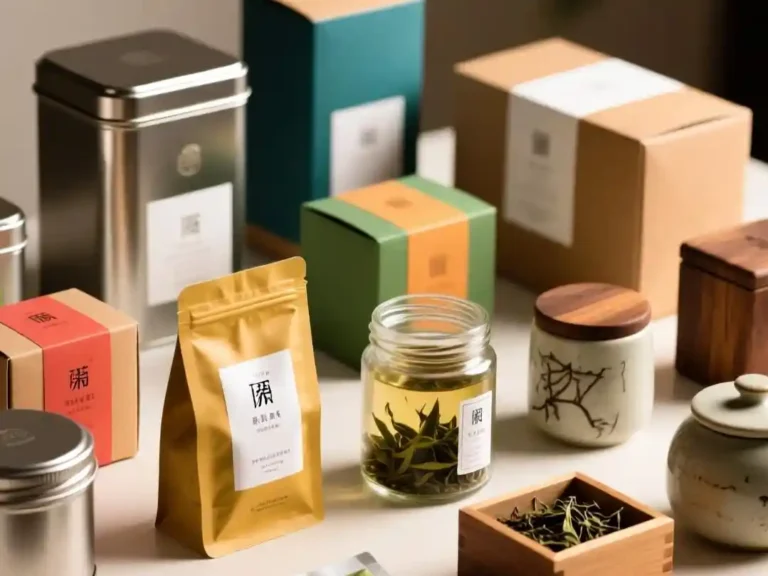
In 2026, tea buyers are increasingly evaluating packaging not just for aesthetics but for functionality, sustainability, and consumer experience. Modern buyers expect packaging that preserves the quality, aroma, and freshness of tea while providing clear information about the product. Materials, design, and technology must work together to meet these practical demands, making packaging a critical factor in purchasing decisions.
Sustainability is a dominant factor influencing packaging choices. Buyers are actively seeking eco-friendly materials such as recyclable or biodegradable cartons, compostable tea bags, and minimal plastic use. Certification labels, such as FSC for paper or compostability indicators, are also becoming standard expectations. Packaging that demonstrates environmental responsibility is no longer optional; it is a key determinant in supplier selection.
Functionality and freshness preservation remain top priorities. Tea is highly sensitive to oxygen, light, and moisture, which can degrade aroma and flavor. Buyers are therefore expecting packaging solutions such as resealable pouches, vacuum-sealed wraps, nitrogen-flushed bags, and barrier foils that extend shelf life without chemical additives. Packaging that ensures consistent quality during storage, transport, and retail display is a significant competitive advantage.
Transparency and information clarity are also essential. Buyers are looking for packaging that communicates detailed product information including origin, harvest date, processing method, brewing instructions, and health benefits. QR codes and digital links are increasingly used to provide traceability and supply chain data. This level of transparency reassures buyers about authenticity and allows them to convey the same credibility to their end customers.
Finally, convenience and consumer usability are becoming critical expectations. Single-serve sachets, portioned bags, and user-friendly dispensers cater to changing consumption patterns and enhance the drinking experience. Packaging that combines convenience, durability, and protection of quality meets the operational and marketing needs of buyers, ensuring they remain competitive in a market that prioritizes both sustainability and performance.