
Global warming poses a significant challenge to our planet, impacting weather patterns and ecosystems. However, Ceylon tea, originating from the lush landscapes of Sri Lanka, is contributing to the fight against climate change through sustainable and eco-friendly practices.
Ceylon tea plantations are acting as green guardians by capturing and storing carbon dioxide. Tea bushes absorb carbon dioxide during photosynthesis, and when managed sustainably, these plantations become carbon sinks, helping to reduce the overall carbon footprint. Through responsible cultivation and land management, Ceylon tea contributes to the global effort to combat rising greenhouse gas levels.
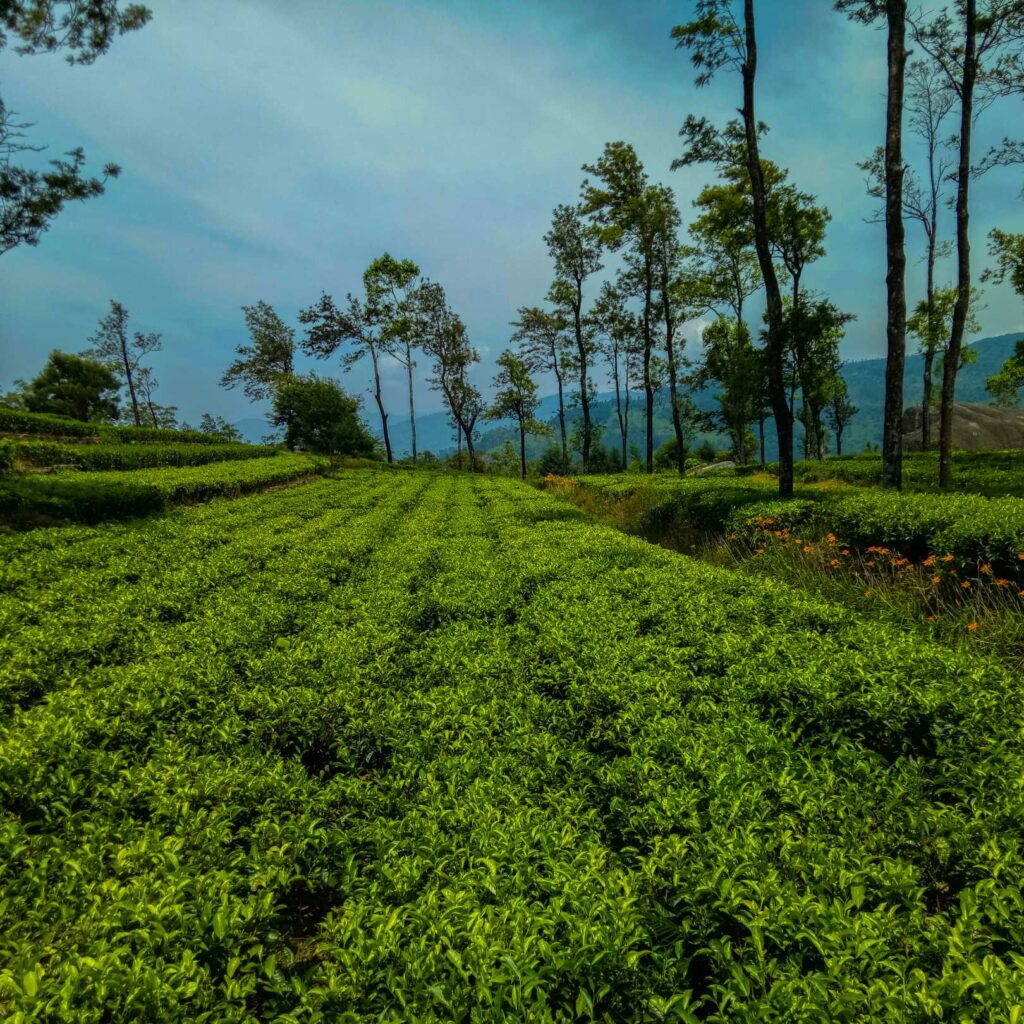
To combat the impacts of global warming, Ceylon tea farmers are embracing agroforestry practices. By planting trees alongside tea bushes, farmers create natural shade, regulate temperatures, and enhance biodiversity. This not only mitigates the environmental impact of tea cultivation but also provides habitats for wildlife. The symbiotic relationship between tea and trees promotes a healthier ecosystem and contributes to overall environmental sustainability.
Ceylon tea producers recognize the importance of water conservation in the face of changing rainfall patterns. Sustainable irrigation practices, rainwater harvesting, and efficient water management are becoming integral to tea cultivation. By minimizing water usage and adopting eco-friendly practices, Ceylon tea producers are not only adapting to climate change but also helping to preserve precious water resources.
Ceylon tea estates are increasingly turning to renewable energy sources to power their operations. Solar panels and other clean energy solutions are being implemented to reduce dependence on fossil fuels. By embracing renewable energy, the Ceylon tea industry is not only reducing its carbon footprint but also setting an example for sustainable practices in agriculture.
Supplying for the demand for organic tea and the use of environmental friendly packaging materials which are bio-degradable, recyclable and reusable are favourable trends in the tea industry. Beyond the plantations, the Ceylon tea industry actively engages with local communities to raise awareness about climate change. Education programs, sustainable livelihood initiatives, and community projects contribute to building a climate-resilient society. The collective efforts of tea producers and local communities create a holistic approach to addressing the challenges posed by global warming.
Ceylon tea is not just a beloved beverage; it’s a proactive participant in the global fight against climate change. Through sustainable practices, carbon sequestration, and community engagement, the Ceylon tea industry is brewing a greener future. As consumers, supporting tea brands committed to environmental sustainability can be a simple yet impactful way to contribute to the ongoing battle against global warming.