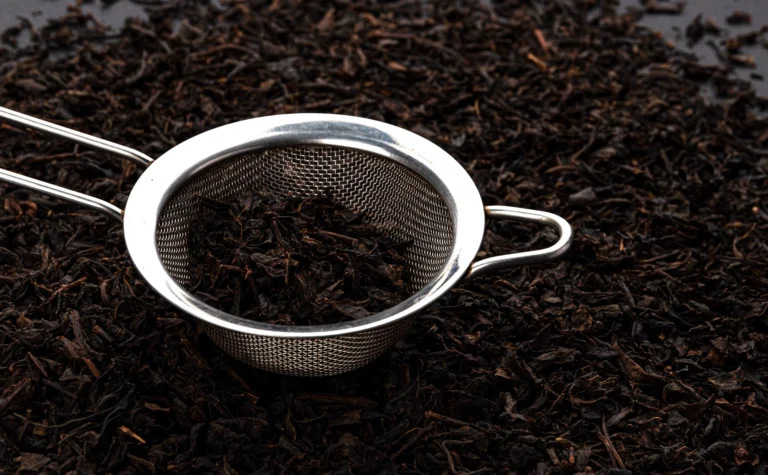
Tea is a natural, agricultural product that continues to change after processing. Although properly manufactured tea can remain safe for consumption over long periods, its sensory and functional qualities gradually decline. Flavour complexity, aroma intensity, and liquor brightness are all affected by time, which is why freshness plays a critical role in determining overall tea quality.
One of the main factors influencing tea freshness is oxidation after processing. Even when tea is dried and packed, residual exposure to oxygen causes slow chemical reactions that alter flavour compounds. Volatile aromatic molecules, which give tea its distinctive aroma, are particularly vulnerable and dissipate over time. As a result, tea that has been stored for several months often tastes dull, flat, or less defined compared to freshly packed tea.
Storage conditions can slow deterioration but cannot stop it entirely. Temperature fluctuations, humidity, and light exposure accelerate quality loss. Moisture absorption is especially problematic, as tea leaves are hygroscopic and readily absorb water from the surrounding environment. This can lead not only to flavour degradation but also to microbial risks if storage is poorly controlled. Even in climate controlled warehouses, prolonged storage increases the likelihood of inconsistency between batches.
Fresh tea also ensures greater consistency from cup to cup. When tea is dispatched closer to production, its physical characteristics such as leaf integrity, particle size, and infusion behaviour remain stable. Extended storage can cause leaf brittleness, increased breakage, and uneven extraction during brewing. For commercial buyers and consumers alike, this inconsistency directly affects the drinking experience.
From a quality management perspective, long storage periods require continuous monitoring, additional sampling, and repeated sensory evaluation. Each intervention introduces potential exposure to air and contaminants. By reducing storage time, the supply chain becomes more efficient, traceable, and controlled, supporting higher standards of food safety and quality assurance.
Freshness also supports the true expression of origin. Ceylon tea is valued internationally for its clean flavour profile, natural brightness, and clarity. These characteristics are best experienced when tea is consumed closer to the time it is produced. Extended storage diminishes the distinct regional qualities that differentiate one tea from another.
Ultimately, freshness is not about speed but about preserving quality at every stage. Limiting storage time protects flavour, aroma, consistency, and safety. For tea drinkers seeking reliability and authenticity, fresh tea delivers a noticeably better experience, reinforcing why freshness continues to matter most in tea.