
Originating from regions such as Sri Lanka, Indonesia, and India, cinnamon was a valuable commodity traded along ancient spice routes. Throughout history, cinnamon tea has been enjoyed for its warm and aromatic infusion. Cinnamon tea may be particularly popular during the colder months, contributing to a cozy and seasonal atmosphere. In some cultures, cinnamon is symbolic of warmth, abundance, and prosperity. Offering cinnamon tea can be a gesture of hospitality and goodwill.
Cinnamon tea has a warm, sweet, and spicy aroma due to the presence of compounds like cinnamaldehyde. The fragrance is released during the steeping process, creating a comforting and inviting atmosphere. The aromatic qualities of cinnamon tea may have potential benefits in aromatherapy, promoting relaxation and a sense of warmth.
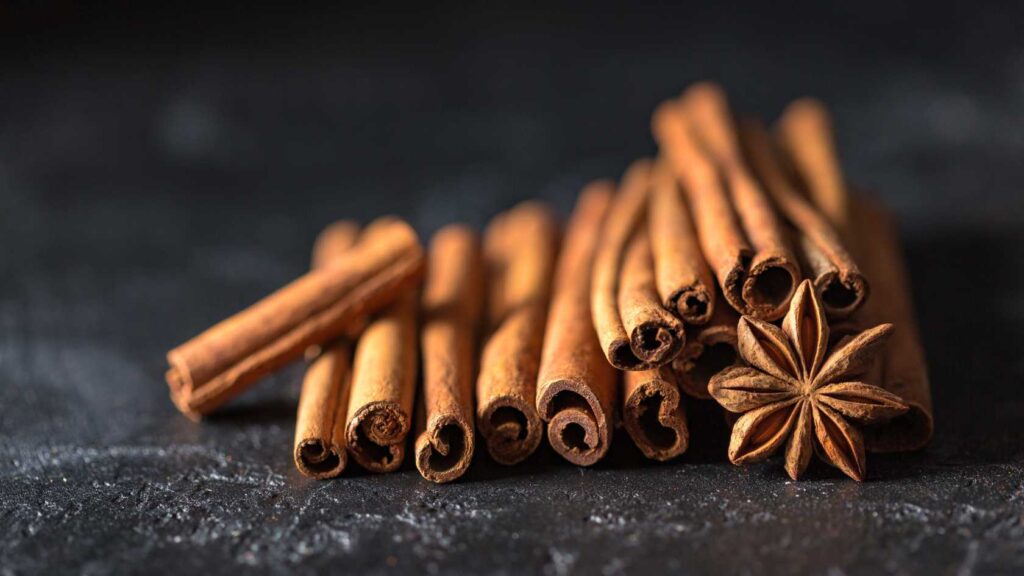
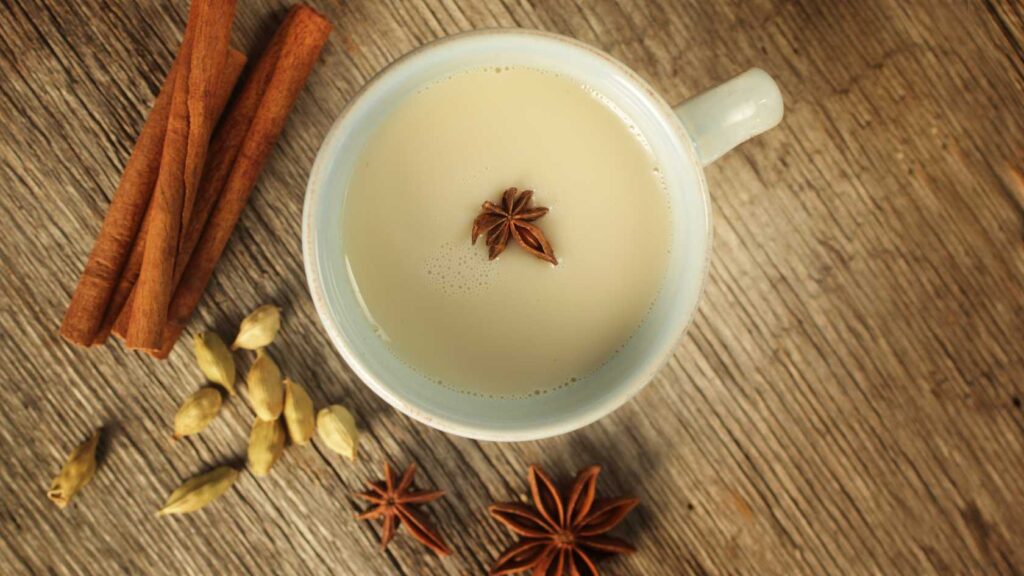
Cinnamon tea is a versatile base for warm beverages, and it can be prepared with various accompaniments like honey, lemon, or other spices for added flavour. Cinnamon tea can be used as an ingredient in cooking and baking, imparting a warm and aromatic essence to dishes. It is commonly used in desserts, stews, and sauces to add depth and warmth. Cinnamon tea is utilized in mixology, adding a unique and spicy element to cocktails and mocktails. It pairs well with ingredients like apple, citrus, and ginger.
Cinnamon tea is rich in antioxidants, particularly polyphenols, which can help combat oxidative stress and inflammation in the body. The compounds found in cinnamon, such as cinnamaldehyde, have anti-inflammatory properties that may contribute to overall health. Cinnamon has been studied for its potential role in helping regulate blood sugar levels, making cinnamon tea of interest to those managing diabetes or insulin resistance.